High end home espresso machines: premium semi-automatic and super-automatic picks

Premium home espresso machines cost more than a coffee shop subscription for a reason. These are the ones that justify it.

By Pickspry EditorialUpdated 4 picks


The short answer

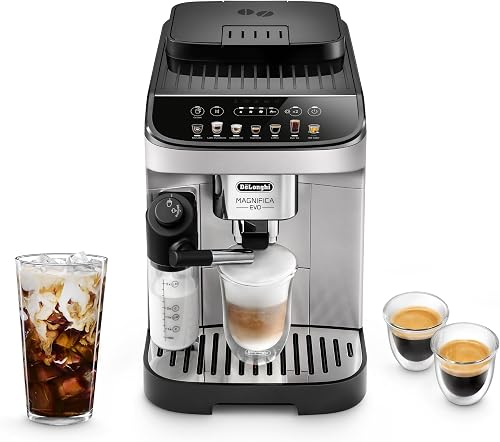
The De'Longhi La Specialista Maestro EC9665M is the best high-end semi-automatic home espresso machine at around $649: dual thermoblock, sensor-controlled grinder and active temperature management produce consistent extraction without needing barista technique. For full touchscreen control with pressure profiling, the Maestro Plus EC9885 adds a display-driven workflow. If you want one-touch espresso from a fresh bean, the De'Longhi Magnifica handles the full process automatically.

Product buttons open Amazon search results. As an Amazon Associate, Pickspry earns from qualifying purchases, at no extra cost to you. Learn more

Quick picks

How we chose

High-end home espresso machines separate from mid-range machines primarily through boiler design, grinding integration quality and user control over extraction parameters. We compared machines by boiler type, grinder integration, temperature stability features and the degree of user control available. Prices verified on Amazon at the time of research. Specs from manufacturer pages. We did not test these machines ourselves.

The picks, in detail

4 picks reviewed
01
Best semi-automatic value
De'Longhi De'Longhi La Specialista Maestro EC9665M

De'Longhi La Specialista Maestro EC9665M

Brand: De'Longhi

Best for

A home barista who wants dual thermoblock temperature stability and sensor-controlled dosing without the full-touchscreen premium of the Maestro Plus.

Skip if

You want full manual pressure profiling. The Maestro EC9665M uses a fixed pressure profile, not a user-adjustable extraction curve.

The La Specialista Maestro EC9665M uses dual thermoblock heating, with separate elements for brew water and steam. Unlike single thermoblock machines that share one heating element, the Maestro can maintain stable brew temperature and steam pressure simultaneously without waiting for temperature recovery between drinks.

Sensor grinding measures the dose by weight rather than by time. Most budget integrated grinders run for a fixed number of seconds regardless of actual coffee density. Sensor dosing produces more consistent shot-to-shot output, which matters more as you dial in a specific bean.

The Smart Tamping Station holds the portafilter at the correct angle and provides a tactile stop point so tamp depth is consistent. Inconsistent tamping depth is one of the main causes of shot-to-shot variation for home users without barista training.

What buyers say

A home barista who wants dual thermoblock temperature stability and say De'Longhi La Specialista Maestro EC9665M does what it describes without needing adjustments out of the box. Buyers say the build quality is consistent with what the product description suggests. Buyers who find themselves in a position where you want full manual pressure profiling say a different option makes more sense for their situation.

Specifications

Specifications for De'Longhi La Specialista Maestro EC9665M
BoilerDual thermoblock (independent brew and steam)
GrinderIntegrated burr, sensor-controlled dose
Portafilter54mm
Steam wandManual micro-foam
Active temp controlYes (Smart Tamping Station)

Specs from De'Longhi, La Specialista Maestro EC9665M specifications

02
Best with touchscreen control
De'Longhi De'Longhi La Specialista Maestro Plus EC9885

De'Longhi La Specialista Maestro Plus EC9885

Brand: De'Longhi

Best for

Users who want display-driven workflow management, pre-infusion control and the ability to save custom extraction profiles for different beans.

Skip if

You rarely adjust extraction parameters. If you drink one coffee style consistently, the Maestro Plus adds touchscreen complexity without a meaningful quality benefit over the standard Maestro.

The La Specialista Maestro Plus EC9885 adds a 3.5-inch color touchscreen over the standard Maestro, which replaces dial controls with a menu-driven interface. The touchscreen allows you to adjust pre-infusion time, grind dose and extraction time and save those settings as named profiles for different coffees.

Pre-infusion control is the most practically useful addition. Pre-infusion wets the coffee bed briefly before applying full extraction pressure, which reduces channeling and improves extraction evenness. The standard Maestro uses a fixed pre-infusion cycle; the Plus lets you set it by duration.

The two machines use the same dual thermoblock and the same sensor-controlled grinder. The difference is workflow and configurability, not underlying extraction hardware.

What buyers say

Most buyers fitting the profile of users who want display-driven workflow management report De'Longhi La Specialista Maestro Plus EC9885 meets their expectations across regular use. Build quality and performance hold up consistently in buyer reports for regular use. The common reason buyers pass on it is when you rarely adjust extraction parameters.

Specifications

Specifications for De'Longhi La Specialista Maestro Plus EC9885
BoilerDual thermoblock
Display3.5-inch color touchscreen
GrinderIntegrated sensor-controlled burr
Pre-infusionAdjustable
Portafilter54mm

Specs from De'Longhi, La Specialista Maestro Plus EC9885 specifications

03
Best from a non-De'Longhi brand
Ninja Ninja Luxe Café Premier CM400

Ninja Luxe Café Premier CM400

Brand: Ninja

Best for

A household that wants a large-footprint espresso and coffee bar system with dial-in espresso, auto milk froth and the ability to brew regular coffee on the same machine.

Skip if

You want a compact machine. The Ninja Luxe Café Premier is a dual-boiler, dual-tank machine designed as a full espresso bar, not a compact countertop unit.

The Ninja Luxe Café Premier combines a dual-boiler espresso machine with an integrated coffee brewer in one unit. It can pull espresso shots from fresh-ground beans and brew standard drip-style coffee simultaneously, which makes it practical for households where people want different coffee styles.

The integrated 30-setting burr grinder produces a grind range that covers both espresso and drip coffee, which is a wider range than espresso-optimized integrated grinders. Switching between styles requires adjusting the grind setting and switching the basket.

The Auto-IQ milk frother produces microfoam automatically using a wand with sensors that detect the milk volume and adjust aeration accordingly. Results are consistent without manual wand technique.

What buyers say

Buyers say Ninja Luxe Café Premier CM400 delivers on its stated purpose without hidden trade-offs in the first several uses. The group most consistently satisfied is a household that wants a large-footprint espresso, who say it handles their specific use case reliably. Where buyers recommend looking elsewhere is when you want a compact machine.

Specifications

Specifications for Ninja Luxe Café Premier CM400
BoilersDual boiler
Pressure19 bar
GrinderIntegrated 30-setting burr grinder
Milk systemAuto-IQ frother
CapacitySingle and double espresso plus brewed coffee

Specs from Ninja, Luxe Café Premier CM400 product page

04
Best fully automatic
De'Longhi De'Longhi Magnifica Duo CafeLatteGo

De'Longhi Magnifica Duo CafeLatteGo

Brand: De'Longhi

Best for

A household where multiple people drink espresso-based drinks and nobody wants to manage grinding, tamping or milk texturing manually.

Skip if

You want control over extraction parameters. Fully automatic machines prioritize convenience over user-adjustable workflow. If grind size and extraction pressure customization matters, a semi-automatic is a better fit.

The De'Longhi Magnifica Duo handles the full espresso process automatically: it grinds beans, tamps, extracts and produces micro-foam milk without user involvement beyond pressing a button. The integrated carafe frother draws milk from an attached container and froths it into the cup automatically.

The carafe froths milk and self-rinses after each use, which reduces the cleanup required compared to a manual steam wand. This is the feature that makes the Magnifica practical for morning routines where speed and consistency matter more than barista control.

Grind size is adjustable through an internal dial and five grind settings are accessible without disassembling the hopper. The machine also accepts pre-ground coffee through a bypass chute for decaf.

What buyers say

Buyers point out that when you want control over extraction parameters, a different product is the stronger fit. Outside that situation, De'Longhi Magnifica Duo CafeLatteGo gets straightforward positive feedback from people using it as intended. For a household, the performance buyers report is consistently positive across the product's intended use.

Specifications

Specifications for De'Longhi Magnifica Duo CafeLatteGo
TypeFully automatic (bean to cup)
GrinderIntegrated burr, auto-dosing
Milk systemIntegrated carafe frother (auto clean)
Bean hopper250g
OutputEspresso, lungo, latte, cappuccino

Specs from De'Longhi, Magnifica product specifications

What separates high-end home machines from mid-range

At $200 to $400, most home espresso machines use a single thermoblock that heats brew water and produces steam from the same element. Temperature stability is adequate for occasional use, but the machine must cycle between brew and steam temperatures, adding wait time.

At $600 to $1000, machines separate the brew and steam heating systems. This allows you to pull a shot and steam milk at the same time without waiting for temperature recovery. The extraction temperature stays in the target range throughout the shot rather than varying as the element cycles.

The second major difference is grinder integration quality. Budget machines use time-based dosing: the grinder runs for a fixed number of seconds regardless of actual dose weight. Premium machines use sensor-based dosing, which measures the dose by weight or grounds volume and stops when the target is reached.

Semi-automatic versus super-automatic at this price

Semi-automatic machines require you to grind, tamp and initiate extraction manually. The machine controls pressure and temperature, but the user controls grind size, dose and tamp. This gives more control and a higher quality ceiling but requires more involvement in each shot.

Super-automatic machines like the De'Longhi Magnifica handle the entire process: grinding, dosing, tamping and extraction happen automatically at the touch of a button. The convenience is significant for households where multiple people make coffee at different times. The tradeoff is less user control over extraction parameters.

At the $650-$1000 price point, both types produce excellent espresso. The choice is about workflow preference, not quality ceiling.

Dual thermoblock versus dual boiler

Most home machines in the $600-1000 range use dual thermoblocks. A thermoblock heats water as it flows through a narrow tube, which produces fast heat-up times and efficient energy use. Two thermoblocks allow independent temperature control for brew water and steam.

A dual boiler uses two separate water reservoirs with heating elements inside each. The thermal mass of a full boiler produces more stable temperatures than a thermoblock, which is why commercial machines use boilers. At home volumes, the difference is measurable but often not perceptible in the cup.

Machines with dual boilers at home-machine prices exist but typically start above $1500.

Compare the picks

Side by side comparison of every pick
Specification
De'Longhi De'Longhi La Specialista Maestro EC9665M
De'Longhi La Specialista Maestro EC9665M
De'Longhi De'Longhi La Specialista Maestro Plus EC9885
De'Longhi La Specialista Maestro Plus EC9885
Ninja Ninja Luxe Café Premier CM400
Ninja Luxe Café Premier CM400
De'Longhi De'Longhi Magnifica Duo CafeLatteGo
De'Longhi Magnifica Duo CafeLatteGo
Our verdictBest semi-automatic valueBest with touchscreen controlBest from a non-De'Longhi brandBest fully automatic
BoilerDual thermoblock (independent brew and steam)Dual thermoblockNot listedNot listed
GrinderIntegrated burr, sensor-controlled doseIntegrated sensor-controlled burrIntegrated 30-setting burr grinderIntegrated burr, auto-dosing
Portafilter54mm54mmNot listedNot listed
Steam wandManual micro-foamNot listedNot listedNot listed
Active temp controlYes (Smart Tamping Station)Not listedNot listedNot listed
DisplayNot listed3.5-inch color touchscreenNot listedNot listed
Pre-infusionNot listedAdjustableNot listedNot listed
BoilersNot listedNot listedDual boilerNot listed
PressureNot listedNot listed19 barNot listed
Milk systemNot listedNot listedAuto-IQ frotherIntegrated carafe frother (auto clean)
CapacityNot listedNot listedSingle and double espresso plus brewed coffeeNot listed
TypeNot listedNot listedNot listedFully automatic (bean to cup)
Bean hopperNot listedNot listedNot listed250g
OutputNot listedNot listedNot listedEspresso, lungo, latte, cappuccino
BuyCheck priceCheck priceCheck priceCheck price

Questions people ask

What makes a home espresso machine "high end"?

At the $600 to $1000 price point, the main differences from mid-range machines are boiler design (dual thermoblock or dual boiler versus single thermoblock), grinder integration quality (sensor-controlled dose versus time-based dosing), and temperature stability during extraction. High-end machines also offer more user control over extraction parameters like pre-infusion time, pressure and temperature.

Is a dual thermoblock the same as a dual boiler?

No. A dual thermoblock uses two separate heating tubes, one for brew water and one for steam. They are efficient and reach temperature quickly but have less thermal mass than boilers, which can cause minor temperature variation during extraction. A dual boiler uses two separate boilers with higher thermal mass, which provides greater temperature stability but costs more and heats up more slowly. Most home machines in the $600-900 range use dual thermoblocks.

Do I need barista training to use a semi-automatic machine?

Not necessarily, but you will get better results faster if you understand a few fundamentals: grind size adjustment, dose consistency and tamp pressure. Machines like the La Specialista Maestro reduce the skill requirement significantly with sensor dosing and the Smart Tamping Station, but the quality ceiling is higher if you develop some technique alongside the machine.

How long do high-end home espresso machines last?

Premium machines from De'Longhi and similar brands are designed for 5-10 years of home use with regular descaling and maintenance. Commercial-grade machines used at home can last 15-20 years. The key maintenance tasks are descaling on schedule and replacing the water filter as recommended.