Hiking boots, trekking poles, daypacks, headlamps and trail essentials.
Hiking gear performance depends on trail type, duration, weather conditions and the hiker's experience level. A trail shoe appropriate for packed dirt paths is not appropriate for wet rocky terrain where ankle support matters. A daypack sized for a 3-hour hike does not provide enough capacity for a full day of hiking with food and water. The guides here cover hiking gear by terrain type, duration, weather rating and the weight considerations that affect all-day carry comfort.
Hiking backpack volume in liters, torso fit system, hip belt padding, hydration compatibility, ventilation panel and weight determine which pack suits day hikes versus overnight trips.
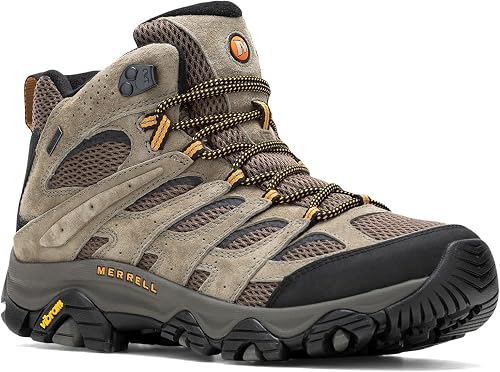
Hiking boot ankle height, waterproofing, outsole lug depth, midsole stiffness, toe box width and weight determine which boot suits day hikes versus multi-day backpacking trips.
Hiking pole material, grip type, locking mechanism, tip style and whether poles collapse to a fixed length or adjust for different terrain affect which poles suit different hikers and trail conditions.
Hiking sock material, cushion level, height, moisture management and whether the sock uses merino wool or synthetic fiber determine which sock reduces blister risk on long hiking days.
Trail gaiter height, material, closure type, hook attachment and whether they are designed for low-cut shoes or mid-cut boots determine which gaiter suits different trail conditions and footwear.
Water filter bottle filtration method, flow rate, capacity, filter life in gallons, weight and whether it removes viruses or bacteria determine which bottle suits backcountry versus front-country hiking.