Cordierite pizza stones and baking steels for crisp bottom crust on home oven pizza.
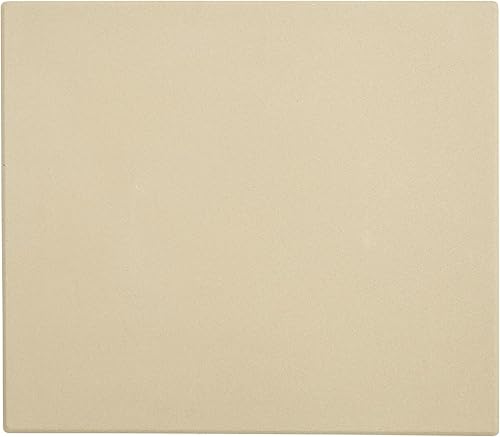
A pizza stone or baking steel absorbs and radiates concentrated heat that mimics a wood-fired pizza oven floor, producing a crispier bottom crust than a baking sheet. Cordierite stone is a ceramic material that tolerates rapid temperature changes without cracking; lower-grade ceramic pizza stones can crack when wet dough contacts the hot surface. A baking steel conducts heat faster than a pizza stone and produces an even crispier crust, but it is heavier (10 to 17 pounds) and more expensive. Both require preheating in the oven for 45 to 60 minutes before placing the pizza. This section covers pizza stones and baking steels by material, thickness, size and the preheat time required for optimal results.
Commercial pizza stones are evaluated by output (number of simultaneous pizzas), material (cordierite or firebrick for sustained high temperature production use), whether the stone is NSF food service certified, thickness (thicker stones recover heat faster between successive pizzas) and price.
Pizza steels are evaluated by material (carbon steel or carbon steel alloy), thickness (1/4-inch standard vs 3/8-inch for more heat storage), size (fits the oven and the pizza diameter), weight (heavier steel stores more heat) and price.
Pizza stones for bread baking are evaluated by surface area (rectangular stones fit standard bread loaves better than round), thickness (thicker stones retain more heat for sourdough's thick crust requirement), whether the stone pairs with a Dutch oven or steam method, and price.
Pizza stones for grills are evaluated by thermal shock resistance (grill heat is more intense and less even than oven heat), size (fits the grill grate without overhang), material (cordierite handles grill thermal stress better than standard ceramic), whether the stone works on both charcoal and gas grills and price.
Pizza stones for outdoor ovens are evaluated by maximum temperature rating (outdoor wood-fired ovens reach 700F to 900F, far above standard oven ratings), material (cordierite handles extreme heat better than standard ceramic), whether the stone fits the specific outdoor oven model (Ooni, Gozney) and price.
Pizza stones are evaluated by material (ceramic retains heat moderately, cordierite handles thermal shock better than ceramic, steel conducts heat faster than stone), thickness (thicker stones retain more heat but take longer to preheat), size (fits the oven and the pizza diameter) and price.
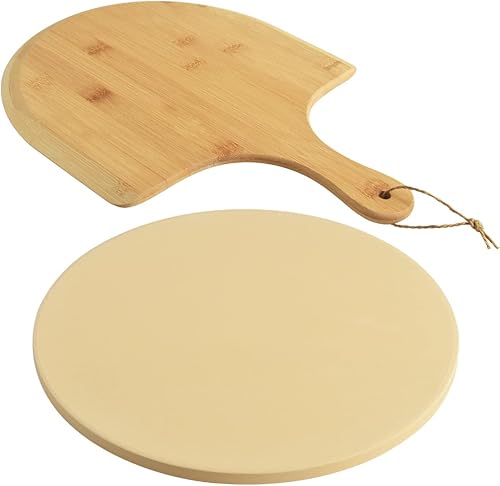
Round pizza stones are evaluated by diameter (11-inch to 16-inch for standard pizza sizes), thickness (5/8-inch is standard, 3/4-inch for higher heat retention), material (cordierite for thermal shock resistance), whether the stone includes a rack for carrying and price.