Electric toothbrushes, water flossers, whitening strips and mouthwash.
Oral care product effectiveness is determined by mechanical action (brush head pressure and oscillation speed), abrasive concentration in whitening products and fluoride content in toothpaste. An electric toothbrush with oscillating-rotating motion removes more plaque than a manual brush at equivalent brush time. A water flosser reaches areas between teeth that string floss misses due to gum recession or orthodontic hardware. The guides here cover oral care products by active ingredient concentration, mechanical specifications and clinical evidence.
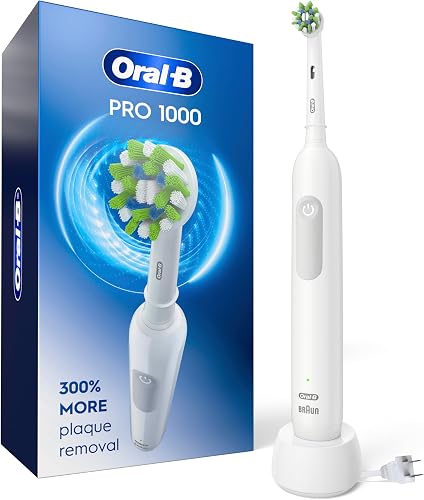
Electric toothbrush oscillating versus sonic technology, brush head compatibility, battery life, pressure sensor and whether the toothbrush includes a travel case determine which model suits daily oral care.
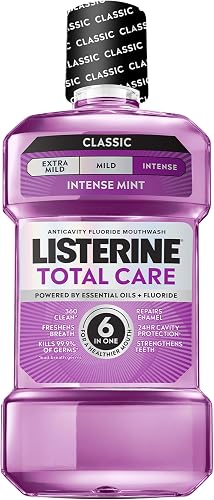
Mouthwash active ingredients, antibacterial versus fluoride formula, alcohol content, contact time and whether the mouthwash addresses gingivitis, dry mouth or whitening determine which mouthwash suits daily oral care.
Teeth whitening strip peroxide concentration, contact time per treatment, number of treatments per box, sensitivity risk and whether the strips include an enamel-safe designation determine which whitening strips suit regular use.
Tongue scraper material (stainless steel vs. copper vs. plastic), edge width, handle comfort and whether the scraper is dishwasher-safe determine which tongue scraper suits daily morning oral hygiene.
Travel toothbrush folding design, bristle quality, case inclusion, manual versus electric battery operation and whether the brush fits in a toiletry bag without a cover determine which travel toothbrush suits carry-on packing.
Water flosser reservoir size, water pressure range, number of pressure settings, tip types included and whether the unit is countertop or cordless determine which water flosser suits daily flossing.