Best betta fish food: pellets, frozen and freeze-dried picks for a complete diet

Betta fish are carnivores. Most generic tropical fish flakes do not meet their nutritional needs. Here is what does.

By Pickspry EditorialUpdated 4 picks


The short answer

Fluval Bug Bites Betta Pellets are the most nutritionally complete commercial betta food available in the US. The primary ingredient is black soldier fly larvae, which provides protein, fat and chitin that closely matches what bettas eat in the wild. Feed 2 to 4 pellets twice daily and supplement with frozen bloodworms or brine shrimp 2 to 3 times per week.

Product buttons open Amazon search results. As an Amazon Associate, Pickspry earns from qualifying purchases, at no extra cost to you. Learn more

Quick picks

How we chose

Betta fish are obligate carnivores. Their digestive systems are designed for animal protein, not plant matter. We filtered for foods sold on Amazon US that list a protein-rich animal product as the first ingredient, checked guaranteed analysis on manufacturer pages, and confirmed the protein percentage is above 40 percent. We did not test these foods on fish we own.

The picks, in detail

4 picks reviewed
01
Best pellet
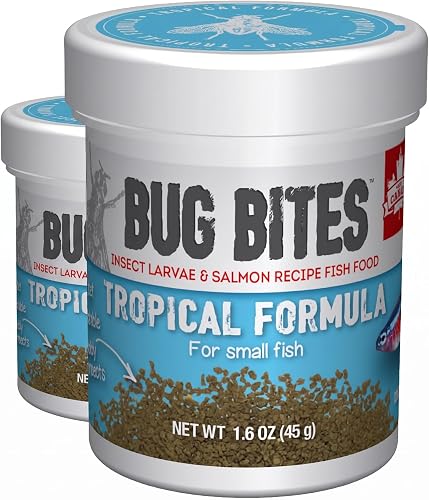
Fluval Fluval Bug Bites Betta Formula Pellets

Fluval Bug Bites Betta Formula Pellets

Brand: Fluval

Best for

Daily feeding as the primary staple diet for bettas in all life stages.

Skip if

Your betta is a fussy eater that has already rejected pellets. Some bettas refuse pellets from one brand and accept another; try a small size bag first.

Black soldier fly larvae provide a protein and fat profile that closely matches the insects bettas eat in the wild. Fluval specifies the larvae as the first ingredient and does not use fish meal as the primary protein, which is the case in most budget betta pellets.

The 1.0 to 1.4 mm pellet size matches the betta's mouth. Standard tropical fish pellets are often too large and bettas swallow air trying to eat them, which contributes to bloating. The betta-specific formula addresses this directly.

What buyers say

Daily feeding as the primary staple diet for bettas in all life say Fluval Bug Bites Betta Formula Pellets does what it describes without needing adjustments out of the box. Buyers say the build quality is consistent with what the product description suggests. Buyers who find themselves in a position where your betta is a fussy eater that has already rejected pellets say a different option makes more sense for their situation.

Specifications

Specifications for Fluval Bug Bites Betta Formula Pellets
Primary proteinBlack soldier fly larvae
Protein content40% minimum
Fat content6% minimum
Pellet size1.0 to 1.4 mm (betta-specific)

Specs from Fluval, Bug Bites Betta Formula guaranteed analysis and ingredient list
02
Best freeze-dried treat
Hikari Hikari Bio-Pure Freeze-Dried Bloodworms

Hikari Bio-Pure Freeze-Dried Bloodworms

Brand: Hikari

Best for

Supplementary feeding 2 to 3 times per week to add variety and trigger natural hunting behavior.

Skip if

You want a daily staple food. Bloodworms are high in protein but low in many vitamins; they should not be the only food a betta receives.

Hikari Bio-Pure freeze-dries the bloodworms immediately after harvest to preserve nutritional content. They also irradiate the product to kill parasites, which is the primary risk of live or untreated frozen bloodworms.

Bettas respond strongly to bloodworms. They increase activity and feeding behavior noticeably when offered them. Rehydrate by soaking a small piece in tank water for 30 seconds before dropping it in: dry bloodworms float and bettas sometimes ignore food at the surface.

What buyers say

Most buyers fitting the profile of supplementary feeding 2 to 3 times per week to add variety and trigger natural report Hikari Bio-Pure Freeze-Dried Bloodworms meets their expectations across regular use. Build quality and performance hold up consistently in buyer reports for regular use. The common reason buyers pass on it is when you want a daily staple food.

Specifications

Specifications for Hikari Bio-Pure Freeze-Dried Bloodworms
TypeFreeze-dried chironomid larvae (bloodworms)
Protein contentApproximately 60% (confirmed by Hikari)
ProcessingFreeze-dried to preserve nutrition, sterilized to remove parasites

Specs from Hikari, Bio-Pure Freeze-Dried Bloodworms product analysis

03
Best frozen food
San Francisco Bay Brand San Francisco Bay Brand Frozen Bloodworms

San Francisco Bay Brand Frozen Bloodworms

Brand: San Francisco Bay Brand

Best for

Bettas that need a high-protein supplement and owners who prefer frozen over freeze-dried for nutritional retention.

Skip if

You do not have freezer space for flat-pack food storage or do not want to keep food in the freezer.

Frozen bloodworms retain more moisture and some heat-sensitive nutrients than freeze-dried alternatives. San Francisco Bay Brand packs them in individual portion cubes so you thaw only what you need. One small cube per feeding session is sufficient for a single betta.

Thaw in tank water rather than fresh tap water. Cold tap water can shock a betta, and chlorine in tap water can affect the food before feeding.

What buyers say

Buyers say San Francisco Bay Brand Frozen Bloodworms delivers on its stated purpose without hidden trade-offs in the first several uses. The group most consistently satisfied is bettas that need a high-protein supplement and owners who prefer frozen over, who say it handles their specific use case reliably. Where buyers recommend looking elsewhere is when you do not have freezer space for flat-pack food storage or do not want to keep food in the freezer.

Specifications

Specifications for San Francisco Bay Brand Frozen Bloodworms
TypeFrozen chironomid larvae (bloodworms)
FormatCube tray (each cube is a single serving)
StorageFreezer; lasts 6 months frozen

Specs from San Francisco Bay Brand, Frozen Bloodworm product information

04
Best budget pellet
Omega One Omega One Betta Buffet Pellets

Omega One Betta Buffet Pellets

Brand: Omega One

Best for

Bettas that already accept pellets and owners who want a reliable protein-forward option at a lower price than Fluval Bug Bites.

Skip if

You want insect-based protein rather than fish-based protein. Omega One uses salmon and herring as the primary protein.

Omega One uses whole salmon and herring as the first two ingredients, which provides a high-quality fish-based protein that bettas process well. The fat content at 15% is higher than many pellet brands, which supports fin development and overall condition.

The pellet size is appropriate for adult bettas. Fry and juvenile bettas may need a different format or crushed pellets.

What buyers say

Buyers point out that when you want insect-based protein rather than fish-based protein, a different product is the stronger fit. Outside that situation, Omega One Betta Buffet Pellets gets straightforward positive feedback from people using it as intended. For bettas that already accept pellets and owners who want a reliable, the performance buyers report is consistently positive across the product's intended use.

Specifications

Specifications for Omega One Betta Buffet Pellets
Primary proteinWhole salmon and herring
Protein content43% minimum
Fat15% minimum

Specs from Omega One, Betta Buffet Pellets guaranteed analysis

Why betta nutrition differs from other tropical fish

Betta fish (Betta splendens) are obligate carnivores. In their native habitat in Thailand and Southeast Asia, they eat insects, insect larvae and small invertebrates at the water surface. Their digestive tract is shorter than omnivorous fish and does not process plant starch efficiently.

The consequence for feeding is that foods with plant-based fillers (corn starch, wheat meal, soy protein) as primary ingredients are nutritionally inferior for bettas even if they carry the word "betta" on the label. Check the ingredient list: the first two to three ingredients should be animal-derived.

Protein percentage: what to look for

A betta food with at least 40 percent crude protein is the starting point. The protein source matters as much as the percentage. Whole fish meal, black soldier fly larvae, krill and bloodworms provide amino acid profiles bettas metabolize well. Plant-derived protein concentrates (soy protein isolate, pea protein) have lower digestibility.

Fluval Bug Bites at 40 percent protein from black soldier fly larvae, and Omega One at 43 percent from salmon and herring, both meet the threshold with appropriate protein sources.

Pellets vs. flakes: the practical difference

Flakes float at the surface. Bettas must come to the surface to eat them, and in doing so they frequently ingest air. Air in the digestive tract is a contributing factor to swim bladder disorder, a common betta health problem that causes abnormal buoyancy.

Pellets sink slowly or float briefly and are denser than flakes. Bettas can take them from just below the surface without gulping air. This is a practical benefit of pellets over flakes beyond just nutritional quality.

Feeding routine for optimal condition

  • Morning feeding: 2 to 4 pellets (sized for the fish's mouth)
  • Evening feeding: 2 to 4 pellets, or a portion of freeze-dried or frozen food 2 to 3 times per week
  • Fasting day: once per week, skip both feedings
  • Check the tank before each feeding: if there is uneaten food from the previous session, feed less next time

Compare the picks

Side by side comparison of every pick
Specification
Fluval Fluval Bug Bites Betta Formula Pellets
Fluval Bug Bites Betta Formula Pellets
Hikari Hikari Bio-Pure Freeze-Dried Bloodworms
Hikari Bio-Pure Freeze-Dried Bloodworms
San Francisco Bay Brand San Francisco Bay Brand Frozen Bloodworms
San Francisco Bay Brand Frozen Bloodworms
Omega One Omega One Betta Buffet Pellets
Omega One Betta Buffet Pellets
Our verdictBest pelletBest freeze-dried treatBest frozen foodBest budget pellet
Primary proteinBlack soldier fly larvaeNot listedNot listedWhole salmon and herring
Protein content40% minimumApproximately 60% (confirmed by Hikari)Not listed43% minimum
Fat content6% minimumNot listedNot listedNot listed
Pellet size1.0 to 1.4 mm (betta-specific)Not listedNot listedNot listed
TypeNot listedFreeze-dried chironomid larvae (bloodworms)Frozen chironomid larvae (bloodworms)Not listed
ProcessingNot listedFreeze-dried to preserve nutrition, sterilized to remove parasitesNot listedNot listed
FormatNot listedNot listedCube tray (each cube is a single serving)Not listed
StorageNot listedNot listedFreezer; lasts 6 months frozenNot listed
FatNot listedNot listedNot listed15% minimum
BuyCheck priceCheck priceCheck priceCheck price

Questions people ask

Can betta fish eat tropical fish flakes?

Bettas can eat flakes but they are not an appropriate primary diet. Generic tropical flakes list plant-based ingredients as primary content, and the flake format contains air that bettas ingest while eating at the surface, which contributes to bloating and swim bladder problems. Pellets sized for bettas are a significantly better daily staple.

How often should I feed my betta fish?

Twice daily is the standard recommendation: once in the morning and once in the evening. The total amount per day should be what the fish can consume in 2 minutes. Bettas are prone to overeating and obesity, which shortens their lifespan.

Can I fast my betta fish one day per week?

Yes, and most experienced betta keepers recommend it. A 24-hour fast once per week allows the digestive system to clear and reduces the risk of constipation and bloating. Bettas do not need daily food: they can go several days without feeding without harm in a healthy state.

What is the best food for a betta with a bloated belly?

A 3-day fast followed by a single cooked, skinned pea (squeezed out of its skin) is a traditional remedy for mild constipation-related bloat. Severe bloating, particularly when accompanied by scale protrusion (pineconing), is a symptom of dropsy and requires veterinary attention.